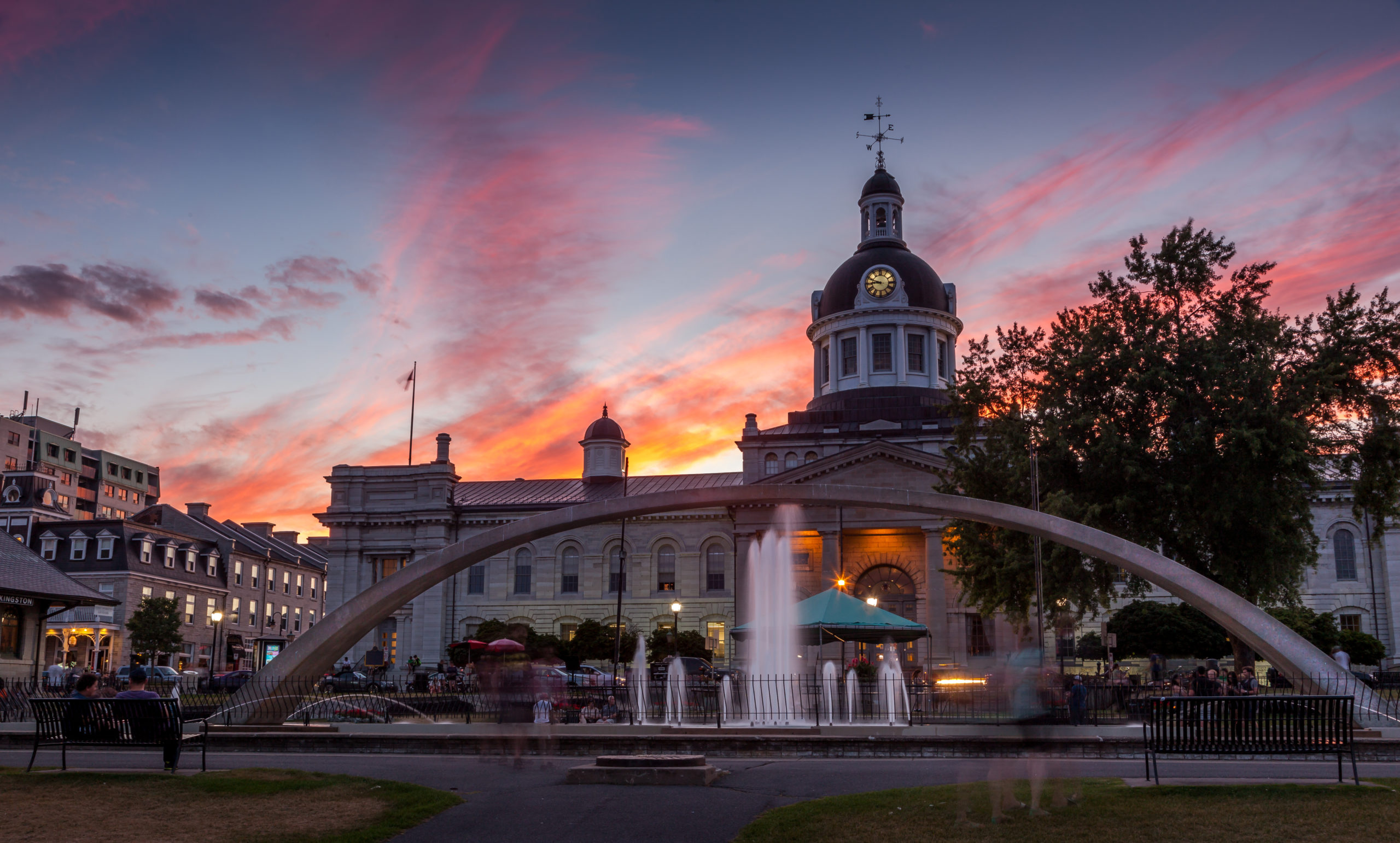
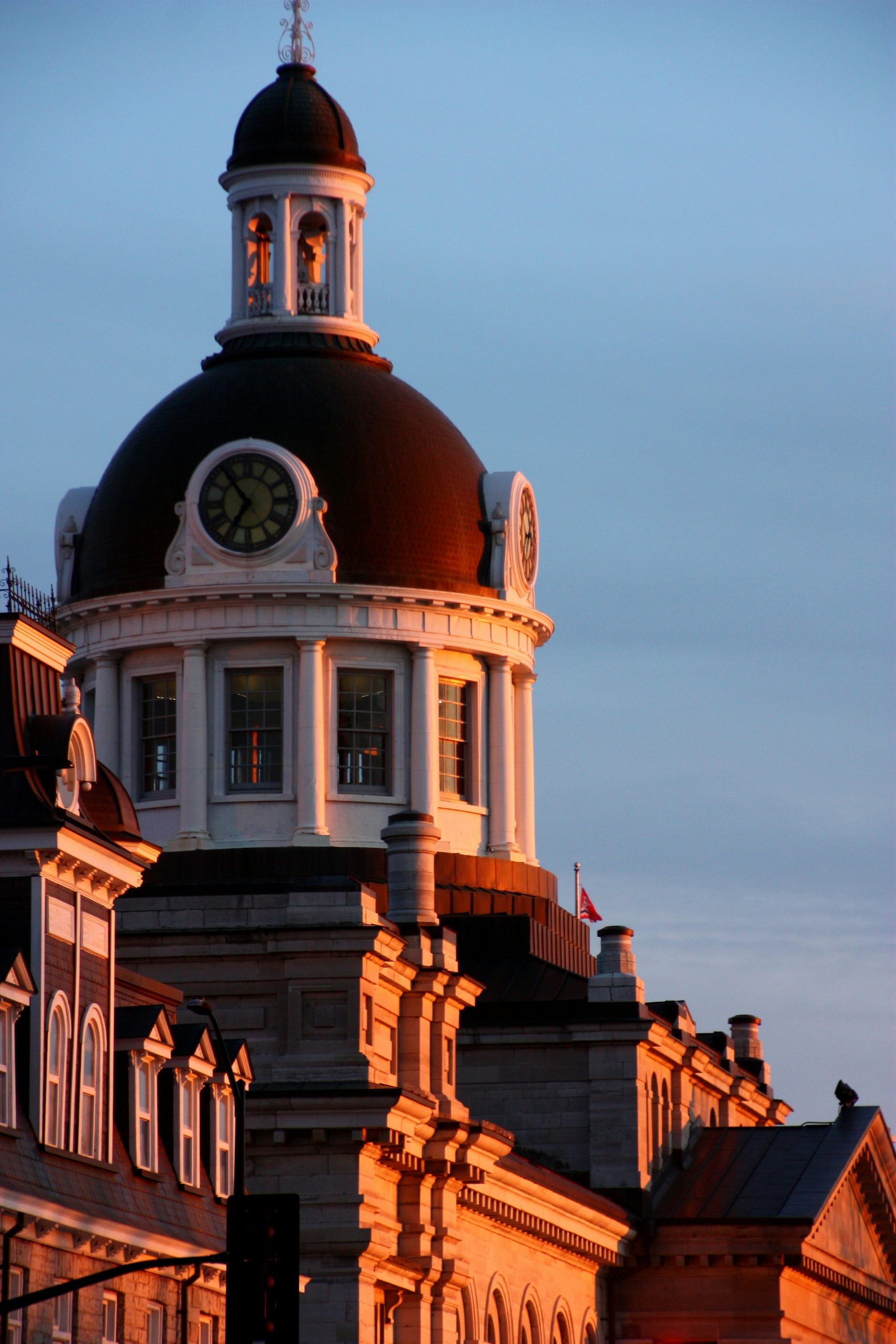
Let’s be honest—buying your first home can feel like a blend of hope, caffeine, and mild financial panic. But fear not, brave homebuyer! If you’re looking to put down roots in Kingston (where even the squirrels seem friendlier), here are five neighbourhoods that won’t break the bank or your spirit.
Kingscourt – The Underdog That’s Winning the Race
You know that friend who used to be a bit rough around the edges but suddenly got a good job, cut their hair, and started bringing salad to lunch? That’s Kingscourt.
Affordable homes, a growing young family vibe, and proximity to downtown make this neighbourhood a smart move. Plus, the houses still come with enough yard for a barbecue and a questionable attempt at gardening.
Vibe: Up-and-coming meets “I swear we’ll fix the sidewalk next year.”
Bonus: You’re 5 minutes from downtown, and maybe 7 minutes from regretting that downtown parking job.
Rideau Heights – A Neighbourhood on the Glow-Up
Yes, yes—Rideau Heights used to have a reputation. But these days? It’s like that kid from high school who used to eat glue and is now a software engineer living in Vancouver. There’s new investment, revamped infrastructure, and a real sense of community growing here.
Vibe: Reformed bad boy with a heart of gold.
Bonus: Great value for money, and you can tell your friends you bought before it was cool.
Cataraqui North – Where Suburbia and Sanity Meet
If you’ve ever dreamed of a home with a garage, a deck, and at least one room dedicated to folding laundry (and never actually folding it), this is your spot. Cataraqui North is new-ish, clean, and full of families trying to figure out what day the recycling goes out.
Vibe: Suburban comfort without the cookie-cutter price tag (yet).
Bonus: Walking distance to Costco. Enough said.
Polson Park – The Quiet Achiever
Polson Park is like that cozy sweater you didn’t know you needed. Tucked away just enough to be peaceful, but still super accessible. The homes are modest, the neighbours wave, and your mortgage payments might actually leave room for groceries.
Vibe: Cozy, calm, and criminally underrated.
Bonus: If your dog runs away, your neighbour will probably bring it back and bake you banana bread.
Portsmouth Village – History, Charm, and Slightly Crooked Floors
Love character homes and the idea of living near the water? Portsmouth Village is your jam. This area offers quaint streets, walkable charm, and buildings that whisper stories (and creak loudly in the winter).
Vibe: Heritage charm meets boho ambition.
Bonus: You can impress your in-laws with “this house was built in 1886” while ignoring the slightly haunted energy.
So, Where Should You Land?
Choosing your first home is a big deal—but it doesn’t have to be a drama. Kingston has something for everyone: from the historic to the hopeful, the quirky to the convenient.
And if all else fails, remember: you can always build equity and your upper body strength by learning to mow your own lawn.
Need help navigating your Kingston home search? Let’s find you a place that makes sense—and maybe even makes you laugh. Get in touch and let’s turn “house hunting” into “home winning.”
If you’re one of the many Kingstonians wondering who exactly is steering the ship of our fine city—you’re not alone. Municipal government can feel like a distant machine humming in the background of our daily lives. But in reality, it’s the heartbeat of Kingston’s future. From filling potholes and shaping new developments, to zoning decisions and affordable housing—our local government holds the power to Make Kingston Great.
Kingston is governed by a Mayor and twelve City Councillors, each representing one of our city’s unique districts. Together, they form City Council, where decisions are made on everything from transit and infrastructure to parks, libraries, and housing. It’s where vision meets budget and where your vote becomes action. Council operates on a four-year term and holds regular public meetings, giving residents a chance to stay informed—and get involved.
So who are these people we’ve entrusted with the city’s future? Let’s take a closer look:
Mayor Bryan Paterson
Now in his third consecutive term, Bryan Paterson has been Kingston’s Mayor since 2014. When he’s not leading the city, he’s teaching economics at the Royal Military College—so yes, he’s very familiar with budgets. Paterson brings a blend of academic insight and political experience to the table.
Your City Councillors – The District Advocates
Gary Oosterhof – Countryside District Raised on a farm and wired into the trades, Gary brings rural sensibility and 20+ years of electrical industry leadership to council.
Paul Chaves – Loyalist-Cataraqui District A long-time public servant with a heart for community service, Paul is as passionate about economics as he is about volunteering.
Lisa Osanic – Collins-Bayridge District With a background in biology, chemistry, and health policy, Lisa’s analytical mind and civic experience make her a steady hand on council.
Wendy Stephen – Lakeside District Wendy is all about community connection and local solutions—ready to tackle the unique opportunities in the west-end.
Don Amos – Portsmouth District Focused on accessibility and advocacy, Don wants to make city hall easier to navigate for every resident.
Jimmy Hassan – Trillium District A champion of inclusivity and community growth, Jimmy brings energy and commitment to the table.
Brandon Tozzo – Kingscourt-Rideau District Grounded in local issues, Brandon’s a strong voice for neighbourhood concerns and collaborative problem solving.
Jeff McLaren – Meadowbrook-Strathcona District Jeff is big on sustainable planning and always keeping future generations in mind.
Vincent Cinanni – Williamsville District Representing one of Kingston’s most vibrant cores, Vincent blends heritage appreciation with progressive ideas.
Conny Glenn – Sydenham District Conny’s keen on community-building and making sure resident voices are heard—especially in the heart of downtown.
Gregory Ridge – King’s Town District Focused on pragmatic improvements, Gregory aims to support growth while preserving what makes Kingston special.
Ryan Boehme – Pittsburgh District A longtime rep of the east-end, Ryan’s all about infrastructure, safe streets, and equitable development.
Why This Matters
These are more than just names on a ballot. These are your neighbours, your representatives, and the voices in the room where decisions are made. As Kingstonians, it’s up to us to pay attention, participate, and hold our local leaders accountable.
Want a better waterfront? Safer streets? Smarter development? It starts here. With the right leadership and an engaged public, we can Make Kingston Great—one council meeting at a time.
Have a thought or concern for your councillor? Reach out! They’re elected to listen to you. Next municipal election is not for a while? Good news: local engagement is a 24/7 democracy. Show up. Speak up.
When people tell me they’re thinking of moving to Kingston, my first question is always:
“Are you a West-Ender… or a Downtown Dweller?”
It’s the kind of debate that’s torn friendships apart and split Sunday brunch tables in half. Okay, maybe not that dramatic—but your choice of neighbourhood definitely changes your Kingston experience.
So let’s settle this with a friendly face-off: West End vs. Downtown.
Downtown Kingston – Charm, Character & Cobblestones
Ah yes, the historic heart of the city. Where limestone buildings whisper tales of Canada’s first capital, and every second house has a plaque or a ghost story.
Who lives here? Young professionals, students, artists, government workers, and people who say things like, “I don’t own a car—I walk everywhere.”
Perks:
Walkable to shops, cafes, bars, and the waterfront
Farmers’ Market at Springer Market Square
Historic homes and quirky architecture
Kingston’s best people-watching (seriously, unmatched)
But…
Parking can be a competitive sport
Some homes need more maintenance than your average teenage houseplant
You may overhear one too many philosophy debates at coffee shops
Vibe:Urban, vibrant, and full of character (and characters).
The West End – Suburbia, Space & Costco Runs
Drive 15 minutes west, and suddenly it’s all double garages, quiet crescents, and neighbours who lend you power tools. Welcome to the West End: where everything is newer, quieter, and you definitely need a car.
Who lives here? Families, retirees, and professionals who want more space and a little more “Zen.”
Perks:
Bigger homes and newer builds
Excellent schools, parks, and rec centres
Shopping plazas galore (and yes, Costco)
Easier parking, wider roads, and more green space
But…
You’ll be driving downtown if you want nightlife, lakefront patios, or niche bookstores
Cultural vibes are more Tim Hortons than Turkish coffee house
Vibe:Practical, peaceful, and parent-approved.
Final Round: Which One Wins?
Honestly? Neither. Or both. It really depends on your lifestyle.
Choose Downtown if you:
Crave walkability and character
Enjoy being close to Queen’s, the hospitals, or the lake
Don’t mind trading space for charm
Choose the West End if you:
Need room to grow (or park)
Prefer newer homes and quieter streets
Want quick access to schools, shopping, and the 401
And hey, if you’re still torn, Kingston’s size means you’re never more than 20 minutes from anything. It’s the kind of place where you can brunch downtown and still be home in time to mow your west-end lawn.
Need help finding your perfect Kingston neighbourhood? Let’s chat. I’ve helped clients find their dream home in both parts of the city—and I can help you figure out what fits you.
Reach out anytime, or come by my office (there’s good coffee and slightly above-average conversation).
Ah, Kingston—where the lake is wide, the wind is strong, and everyone seems to own a boat… or at least pretend they do when patio season hits.
If you’ve lived here long enough, you already know the sound of halyards clanging against masts is basically our city’s summer soundtrack. Kingston isn’t just a city by the water—it’s a full-blown sailing community. Some towns have bike lanes and hiking trails; we have slips, docks, and people in boat shoes that cost more than my car.
Let’s take a (nautical) tour of Kingston’s finest marinas and yacht clubs—where the sunscreen flows like water and the GPS always says “Head southwest into fun.”
Kingston Yacht Club – “The OG”
This place has been around since 1896, which means it predates sliced bread, traffic lights, and any reasonable excuse for not knowing how to sail. Located right downtown, the Kingston Yacht Club (or KYC, if you’re into acronyms and secret handshakes) is the hub for serious sailors, casual cruisers, and people who just really like drinking wine on decks.
They offer races, lessons, and lots of social events—where you’re encouraged to wear a blazer even if you’re just eating nachos.
Portsmouth Olympic Harbour – “The Overachiever”
Built for the 1976 Olympics, this is where Kingston flexes its international sailing cred. Portsmouth Olympic Harbour (or POH, if you’re trying to sound cool at a BBQ) is where regattas, youth programs, and dreams of gold medals collide with goose poop and parking struggles.
Still, it’s got some of the best waterfront views in the city—perfect for pretending you’re checking rigging when you’re really just avoiding your lawn care responsibilities.
Collins Bay Marina – “The Cozy Hideaway”
Tucked on the west end, Collins Bay Marina is where sailors go to escape the downtown hustle and enjoy peaceful, well-kept docks—and arguably the best sunsets you can see from a boat not named Serenity Now. Friendly, quiet, and full of regulars who know the difference between port and starboard without looking it up on their phones.
Bonus: their swans have more personality than most small-town mayors.
Confederation Basin – “The Tourist Magnet”
Right in the heart of downtown Kingston, this marina is for sailors who want to park their boat and immediately be 12 feet from ice cream, patios, and live music. It’s a floating hotel lobby in the summer, where transient boaters dock to stretch their legs and maybe buy a novelty T-shirt that says Nauti by Nature.
Confederation Basin is ideal for showing off your boat… and letting your boat show you off.
Rideau Marina – “The Wildcard”
Technically just up the river a bit, Rideau Marina is for those who like things a little more rustic. It’s the kind of place where your boat neighbors might lend you a wrench, a beer, or life advice that’s 50% nonsense but still somehow helpful.
It’s got charm, history, and just enough mystery to make you wonder what kind of fish live in those weeds—and whether they’re unionized.
Final Thoughts: Anchors Aweigh, Kingston
Whether you’re a seasoned sailor, a weekend kayaker, or just someone who likes to yell “Ahoy!” unironically, Kingston has a spot for you on the water. Our sailing community is rich in tradition, full of characters, and always ready to welcome another boat into the bay.
So hoist the mainsail, trim your jib, and don’t forget the snacks—because in Kingston, sailing isn’t just a hobby. It’s a way of life. And if you’re lucky, it comes with a yacht club burger and a cold drink after.
Kingston is about to have a seriously busy — and seriously fun — summer!
Whether you’re a foodie, a music lover, a family adventurer, or just someone looking for an excuse to get outside, the Limestone City has something lined up for you.
Here’s a breakdown of some of the best events happening in Kingston this summer:
Major Festivals & Community Events
Spring Into Summer
May 17, 2025
Kick off the season with family-friendly activities and sunny vibes at Lake Ontario Park. It’s the perfect way to welcome warmer weather and longer days.
National Indigenous Peoples Day
June 21, 2025
A meaningful celebration of Indigenous culture, featuring performances, art, and educational activities that highlight Kingston’s rich heritage.
Canada Day Celebrations
July 1, 2025
Confederation Park and Springer Market Square will be packed with live music, food vendors, and (of course) a fireworks show to cap off the day.
Rockin’ the Square
July 25, 2025
Grab your lawn chair and head downtown for an evening of free live music under the stars.
Emancipation Day
August 1, 2025
Commemorate the abolition of slavery with cultural events, live performances, and important conversations.
Sheep Dog Trials Festival
August 8–10, 2025
Yes, it’s as adorable as it sounds. Watch some of the most skilled sheepdogs in action and enjoy a full weekend of family-friendly fun.
Intercultural Arts Festival / Welcome to Kingston Day
September 21, 2025
Celebrate Kingston’s vibrant cultural diversity with music, art, dance, and food from around the world.
Pride & Inclusivity
Kingston Pride Week
June 8–15, 2025
A full week of celebration, featuring a colorful parade, a community fair, and events honoring Kingston’s 2SLGBTQIA+ community.
Inclusive Fun Fair
June 7, 2025
Held at Shannon Park, this accessible, all-abilities event includes entertainment, vendors, games, and more.
Food & Drink Festivals
YGK Craft Beer Fest
June 14, 2025
Sample the best craft beers from Kingston and beyond at historic Fort Henry, alongside artisan vendors and live music.
Kingston Ribfest & Craft Beer Show
September 5–7, 2025
Memorial Centre Park transforms into a smoky, savory paradise of ribs, brews, and tunes.
Arts & Entertainment
Kingston Buskers Rendezvous
July 10–13, 2025
Downtown Kingston becomes an outdoor stage with acrobats, magicians, and performers from around the world. Expect the unexpected!
Queen: It’s a Kinda Magic
Date TBD
Catch this epic Queen tribute show at the Kingston Grand Theatre — a must-see for music lovers.
Sports & Recreation
Football Ontario Tackle Provincial Championships
July 25–27, 2025
See the province’s top football teams battle it out at Richardson Stadium.
CORK x Sail Canada Regattas
July–September 2025
Kingston’s waterfront is the place to be for major sailing competitions, drawing athletes from across the country.
Start Planning Your Summer!
With so many incredible events on the horizon, summer 2025 in Kingston is shaping up to be unforgettable.
Mark your calendars, rally your friends and family, and get ready to experience the best the city has to offer.
Kingston, Ontario, is a beautiful city with a rich history, marked by its strategic location on the shores of Lake Ontario and its historical significance. However, like many cities, its past isn’t without its share of darker events that have shaped its identity. While Kingston is often celebrated for its stunning waterfront views, historical buildings, and thriving arts scene, it’s also important to reflect on the moments that have left scars on the community.
Let’s take a look at some of the more tragic and unsettling episodes in Kingston’s history.
The Kingston Penitentiary and the Dark History of Canadian Prisons
The most well-known symbol of Kingston’s darker history is undoubtedly the Kingston Penitentiary, which opened in 1835 and operated for 178 years before it was closed in 2013. This was the oldest maximum-security prison in Canada and one of the most notorious correctional facilities in the world. During its years of operation, Kingston Pen became infamous for its harsh conditions, violence, and stories of abuse.
Notably, a series of infamous riots and escapes throughout the years gave the penitentiary its notorious reputation. The most infamous incident took place in 1971, when a group of inmates took hostages, leading to a bloody standoff. The prison’s dark history has been the subject of numerous books, documentaries, and tours, leaving a reminder of the prison-industrial complex’s brutal legacy.
The Great Fire of Kingston (1840)
One of the most devastating events in Kingston’s early history was the Great Fire of 1840. It broke out on the night of October 9, 1840, and destroyed much of the downtown area. The fire ravaged homes, businesses, and public buildings, including the Kingston Market, and left thousands of residents homeless. The total loss was devastating, with some estimates suggesting over 1,000 people were left without shelter.
The aftermath of the fire prompted city-wide rebuilding efforts, but it was a hard hit to the local economy and left a lingering emotional impact on Kingston’s residents.
The Kingston Riots (1837)
In the early 19th century, Kingston was embroiled in the turbulence of political unrest that swept across Canada. The Rebellions of 1837 were particularly significant, as they involved armed uprisings against the British colonial government. Kingston became the scene of several violent clashes between insurgents and British soldiers.
One of the most notable events was the Kingston Riot of 1837, which broke out in response to the harsh conditions of the colony. This uprising, though small compared to other rebellions in Upper Canada, left a deep scar in the social fabric of the city. It highlighted the tension between loyalists and reformers in the area and is a reminder of the instability during a time of political and social change.
The 1917 Explosion at the Kingston Naval Dockyard
While the city was often seen as a peaceful and quiet hub, Kingston also had a dark connection to wartime events. During World War I, Kingston’s naval dockyard was a central military site, where ships and armaments were produced. On November 1, 1917, an explosion occurred at the naval facility, killing several workers and causing widespread panic in the area.
The explosion’s cause was suspected to be a mishap related to munitions or military-grade explosives, and while the exact details remain unclear, the tragedy left a lasting impact on the city, highlighting the dangers of wartime manufacturing.
The Tragic Death of Margaret McKellar (1979)
In a quieter yet still heartbreaking incident, the death of Margaret McKellar in 1979 stands as one of Kingston’s most tragic moments. Margaret was a local resident who was tragically murdered in a senseless act of violence. The case shocked the community, especially considering her close ties to the city’s educational system, and has been remembered as one of Kingston’s most heart-wrenching unsolved crimes.
Though the crime was eventually solved and the perpetrator apprehended, the lasting emotional toll this tragedy had on the community is still felt today. It serves as a reminder of how quickly life can be upended by violence.
The Death of Three Children in 2003
One of the most devastating recent tragedies in Kingston occurred in 2003, when three young children lost their lives in a house fire. The fire claimed the lives of siblings aged 7, 4, and 1, leaving the community in shock and mourning. The circumstances surrounding the fire and the sheer heartbreak of the loss left the city reeling for years afterward. The event brought together the local community, which rallied to support the family in the aftermath, but it remains one of Kingston’s darkest memories.
The Impact of Indigenous Displacement
Kingston’s history is also intertwined with the legacy of colonialism and the displacement of Indigenous peoples. The Algonquin and Haudenosaunee (Iroquois) people had long inhabited the land around Kingston, but colonial expansion and the building of fortifications in the region led to the displacement of Indigenous communities. The establishment of Fort Frontenac in 1673 marked the beginning of a long history of loss, as Indigenous people were pushed out of their territories.
The repercussions of this displacement are still felt today by Indigenous communities in Kingston and beyond. This chapter in Kingston’s history is a painful reminder of the broader struggles of Indigenous peoples throughout Canada, and ongoing efforts toward reconciliation and healing remain a crucial part of the community’s future.
Conclusion: The City’s Dark Past and Hope for the Future
While Kingston has certainly had its fair share of challenges and tragic moments, the city has also shown resilience and the ability to rebuild and heal. The dark chapters of Kingston’s history remind us of the importance of remembering our past — both the good and the bad — as we move forward into a brighter future.
By acknowledging the tragedies that have shaped Kingston, we can foster a deeper understanding and compassion for the diverse stories that make up this incredible city. The lessons learned from these moments of darkness continue to resonate in the fabric of Kingston’s community, giving hope for a more inclusive and peaceful future.
Kingston is a city that has weathered many storms and learned from its darker moments, and continues to grow and thrive as a vibrant, dynamic community.
If you’re considering buying or selling a home in Kingston, or even just maintaining your current property, the topic of aluminum wiring is one that might come up. While aluminum wiring was commonly used in homes built between the mid-1960s and late 1970s, it has since been largely replaced by copper due to safety concerns. However, aluminum wiring is still found in many homes today, and understanding its risks and potential solutions is crucial for homeowners and buyers alike.
Why Was Aluminum Wiring Used?
During the 1960s and 70s, copper prices surged, leading builders to seek a more affordable alternative. Aluminum was an attractive choice because it was significantly cheaper and easier to source at the time. While aluminum is a good conductor of electricity, its long-term performance in household wiring has raised some concerns.
The Risks of Aluminum Wiring
Aluminum wiring poses several risks, primarily due to how it reacts to electrical currents and environmental factors:
Expansion and Contraction: Aluminum expands and contracts more than copper when exposed to heat from electrical current. Over time, this movement can loosen connections, increasing the risk of overheating and fire.
Oxidation: Aluminum oxidizes when exposed to air, forming a layer of aluminum oxide that does not conduct electricity well. This can lead to resistance, causing wires to overheat.
Softness and Fragility: Aluminum is softer than copper, making it more prone to damage, nicks, and breakage when handled.
Compatibility Issues: Many electrical devices and fixtures were designed for copper wiring, meaning aluminum connections can become loose or fail prematurely if not properly installed.
How to Identify Aluminum Wiring in Your Home
If your home was built between 1965 and 1978, there’s a chance it may have aluminum wiring. Here’s how you can check:
Look at your electrical panel and wiring—aluminum wires are often marked with “AL” or “Aluminum.”
Check the color—aluminum wiring is typically silver, whereas copper is reddish-brown.
Consult an electrician for a professional inspection.
What Can You Do If Your Home Has Aluminum Wiring?
If your home has aluminum wiring, don’t panic! While it presents potential hazards, there are safe and cost-effective solutions:
Replace the Wiring: The safest option is to rewire your home with copper, though this can be expensive and disruptive.
Aluminum-to-Copper Connections (Pigtailing): Licensed electricians can use approved connectors to join aluminum wiring to copper ends at outlets and switches, reducing risks.
Upgrade Electrical Fixtures: Ensure that outlets, switches, and fixtures are rated for aluminum wiring (look for “CO/ALR” markings).
Regular Inspections: If you have aluminum wiring, it’s wise to have a professional electrician inspect your system periodically to ensure everything remains safe.
Does Aluminum Wiring Affect Home Sales?
Yes, aluminum wiring can impact a home sale in several ways:
Buyer Hesitation: Many buyers are wary of aluminum wiring due to safety concerns.
Insurance Challenges: Some home insurance companies may require an inspection, upgrades, or even complete rewiring before issuing coverage.
Price Negotiation: If a home has aluminum wiring, buyers may use it as a bargaining chip to negotiate a lower price or request that updates be made before purchase.
Final Thoughts
While aluminum wiring isn’t an automatic deal-breaker, it is something that homeowners, buyers, and sellers should be aware of. If you’re buying a home with aluminum wiring, have a professional electrician assess the condition and explore options for mitigation. If you’re selling, consider making updates or being upfront about wiring conditions to avoid surprises during the transaction.
Understanding aluminum wiring and its implications will help you make informed decisions, whether you’re maintaining, buying, or selling a home in Kingston. If you need recommendations for trusted electricians or have any questions about how this could impact your real estate transaction, feel free to reach out!
Kingston, Ontario, has long been a city steeped in history, with a past filled with military tradition, academia, and old-world fraternal organizations. While the idea of “secret societies” often conjures up images of clandestine meetings, cryptic handshakes, and mysterious rituals, many of these organizations operate in plain sight while maintaining elements of secrecy. Here’s a closer look at some of the most notable fraternal and semi-secret organizations in Kingston.
Freemasons: The Oldest Fraternal Order
One of the most well-known secretive organizations in Kingston is Freemasonry. The Prince of Wales Lodge No. 146, established in the 1800s, remains active today. Freemasonry is a global fraternal order that emphasizes moral development, brotherhood, and philanthropy. While the group does significant charitable work, such as supporting children’s hospitals and education, its inner workings, rituals, and initiation ceremonies remain private. Masonic lodges in Kingston often meet in historic buildings that add to their mystique.
The Odd Fellows & Rebekahs: A Lesser-Known Fraternal Order
The Independent Order of Odd Fellows (IOOF) is another fraternal organization that has a presence in Kingston. Founded on principles of friendship, love, and truth, the Odd Fellows focus on charitable work and community service. Their female counterpart, the Rebekahs, also operates locally. Although the IOOF isn’t as widely discussed as Freemasonry, its symbols and initiation ceremonies add an air of exclusivity.
The Shriners: A Brotherhood with a Charitable Mission
The Kingston District Shrine Club is part of the well-known Shriners International, a subgroup of Freemasonry famous for its philanthropy, particularly its work with children’s hospitals. While Shriners are often seen wearing their distinctive red fezzes at parades and charity events, their internal meetings and traditions remain exclusive to members.
The Knights of Columbus: A Catholic Fraternal Order
The Knights of Columbus is a global Catholic fraternal organization with a strong presence in Kingston. While its primary mission is charity and community service, members must undergo initiation ceremonies, and meetings are private. The Knights support numerous charitable causes, including disaster relief, education, and food banks.
Queen’s University and Student Secret Societies
Kingston is home to Queen’s University, which has its own share of secretive student organizations. Among them:
The Tricolour Society – An honor society that recognizes students for significant contributions to Queen’s.
Engineering “Secret” Societies – Various exclusive groups exist within the engineering faculty, including the Brute Force Committee, which is responsible for upholding engineering traditions and hosting initiation rituals.
The Levana Gender Advocacy Centre – While not traditionally secretive, this feminist group has deep-rooted traditions that date back to radical advocacy efforts.
Military and Intelligence Groups
Kingston is home to CFB Kingston and the Royal Military College (RMC), making it a hub for military and intelligence-related activities. While not “secret societies” in the traditional sense, there are classified intelligence networks, military old-boys’ clubs, and high-security operations happening behind closed doors.
Conclusion: The Allure of Secrecy
Whether it’s Freemasonry, student honor societies, or military organizations, Kingston has no shortage of groups that maintain an element of secrecy. While many of these organizations are focused on community service and networking, their exclusive memberships, rituals, and symbols keep them shrouded in intrigue.
So, are there true “secret societies” lurking in Kingston? That’s for you to decide. Just be sure to watch for subtle handshakes and cryptic symbols hidden in plain sight.
Spring is finally here! The days are getting longer, flowers are blooming, and the real estate market is heating up. If you’ve been considering buying or selling a home, there’s no better time than spring to make your move. Here’s why:
1. Increased Inventory
Spring is traditionally the busiest season for real estate, meaning more homes are available for buyers to choose from. For sellers, this increased activity can mean more potential buyers and competitive offers.
2. Better Curb Appeal
With trees budding and gardens coming to life, homes show better in the spring. Buyers are drawn to properties that look fresh and inviting, making it an ideal time to list your home and maximize its curb appeal.
3. Ideal Moving Conditions
No one wants to move in the freezing cold of winter or the sweltering heat of summer. Spring offers mild temperatures, making the moving process much more comfortable and convenient.
4. Strong Market Activity
Many buyers are eager to settle into a new home before summer, leading to increased competition and, often, higher sale prices. If you’re selling, this could mean a faster sale and a great return on your investment.
5. Favorable Financing Options
Lenders often offer competitive mortgage rates in the spring to attract buyers. If you’re in the market for a home, this could be a great time to lock in a favorable rate.
Tips for Buyers and Sellers This Spring:
Buyers: Get pre-approved for a mortgage, act quickly on properties you love, and be prepared for multiple-offer situations.
Sellers: Declutter and stage your home, enhance curb appeal, and price your home competitively to attract serious buyers.
If you’re thinking about buying or selling this spring, let’s connect! I’d love to help you navigate the market and make the most of this exciting season. Contact me today to get started!
Flipping houses can feel like a high-stakes treasure hunt—except the treasure is buried under questionable carpet and outdated wallpaper. To help you strike gold instead of going broke, we’ve put together this guide on what to look for when flipping a house in Ontario.
Whether you’re a first-time flipper or a seasoned pro, these tips will help you spot the winners, dodge the duds, and (hopefully) keep your sanity intact.
Location, Location, Profit!
No amount of shiplap or subway tile can save a flip in a bad location. Before you get attached to that “diamond in the rough,” make sure it’s actually in a spot people want to live.
What to Look For:
Up-and-Coming Neighbourhoods: Areas with new businesses, improving schools, or planned developments.
Low Crime Rates: Safety sells.
Comps: Check what similar houses have sold for in the past 6 months.
Red Flag: If properties in the area sit unsold for months, think twice.
The Bones—Because Lipstick Won’t Fix a Broken Skeleton
Cosmetic issues are easy fixes; structural problems are budget vampires.
What to Check:
Foundation: Look for cracks wider than a quarter inch—no, they’re not “character.”
Roof: Missing shingles or sagging? Prepare to pay up.
Electrical & Plumbing: Outdated systems can blow your budget fast.
Red Flag: If the house leans more than you after a Friday night, run.
Ugly but Lovable: Cosmetic Fixes Only
The best flip candidates are ugly but functional—think bad paint, dated kitchens, and ‘70s shag carpet.
Easy Fixes That Boost Value:
Fresh Paint: Neutral tones like greys and whites work best.
Kitchen & Bath: New hardware, backsplash, and lighting can work wonders.
Flooring: Replace carpet with vinyl plank or hardwood.
Red Flag: If you need to gut the place, crunch those numbers twice.
The Layout: No Maze Houses, Please
Open concepts sell. A bunch of tiny, disconnected rooms do not.
What to Check:
Walls: Are they load-bearing or just ugly?
Flow: Does it make sense, or do you need a GPS to find the bathroom?
Natural Light: Dark houses feel small and sad.
Red Flag: Awkward layouts that need major changes might kill your profit.
Price Matters—Don’t Marry the Money Pit
Your profit depends on how well you buy, not how much you renovate. Follow the 70% Rule:
Max Purchase Price = (ARV x 70%) – Renovation Costs
Key Costs to Estimate:
Renovation Budget: Include a 10-15% cushion for surprises.
Carrying Costs: Mortgage, utilities, and insurance until you sell.
Closing Costs: Legal fees, agent commissions, and land transfer tax.
Red Flag: If the numbers don’t work, don’t force it—there are plenty of fish in the MLS sea.
Permits and Red Tape—The Fun Part
Ontario has some strict building codes, and nothing kills profits like a stop-work order.
Must-Check Items:
Required Permits: Electrical, plumbing, structural changes, and even fences.
Zoning: Make sure your plans are legal.
Previous Work: Ask if past renovations were permitted or if they’re a DIY disaster waiting to happen.
Red Flag: If the seller can’t produce permits for major work, budget for surprises.
Red Flag: No clear exit strategy = a recipe for holding costs that eat your profits.
Final Thoughts: Your Next Move
Flipping houses can be a profitable venture or a financial horror story—it all depends on knowing what to look for. Stick to these tips, do your homework, and don’t let your emotions make the decisions (save those for when you’re watching home reno shows).

 Facebook
 X
X
 Pinterest
 Copy Link