Facebook
 X
X
 Pinterest
 Copy Link
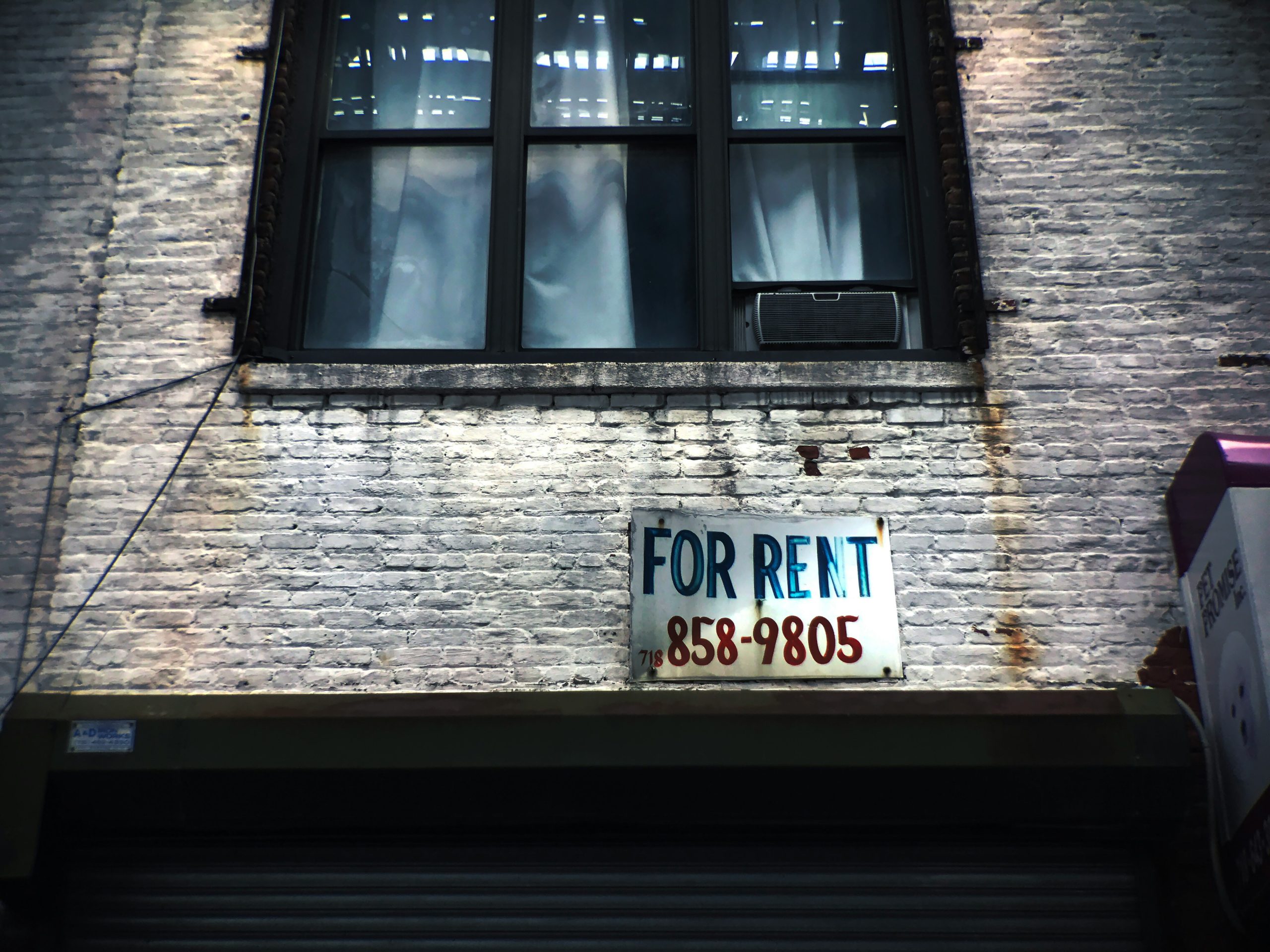
Bill 60 — officially titled Fighting Delays, Building Faster Act, 2025 — became law in Ontario as of November 24, 2025. (Immigration News Canada)
It’s a sweeping omnibus bill that amends or creates a host of statutes. Among many changes affecting infrastructure, planning, and development, it also significantly revises parts of the Residential Tenancies Act, 2006 (RTA) — reshaping how the Landlord and Tenant Board (LTB) handles disputes, evictions, and landlord/tenant relationships. (Immigration News Canada)
The stated goal: speed up housing development, reduce bureaucratic delays, and make eviction and dispute resolution faster and more predictable. (REMINET)
Key Changes Under Bill 60 (Rental & Tenancy Rules)
Here are the headline changes to tenancy law under Bill 60 — many of which will impact how landlords and tenants operate day-to-day:
- Faster eviction for non-payment
Landlords can now serve a termination notice for unpaid rent that becomes effective as soon as 7 days after the notice — down from the old 14-day (or longer) grace period. (condoy.com) - Tenants must pay 50% of arrears before raising counter-claims
If a tenant wants to raise issues (like maintenance, repairs, landlord harassment) as part of a non-payment hearing, they now generally must pay half the claimed arrears first. (qrealestategroup.ca) - “Persistent late payment” becomes a defined eviction ground
Bill 60 gives the government authority to define what counts as “persistent” late payment. Once defined, landlords may have a clearer, standardized ground for eviction for repeated lateness. (Civics Project) - Shorter review/appeal period after LTB decisions
The time a tenant has to request a review or appeal an LTB order is cut from 30 days to just 15 days. (Mondaq) - Limits on tenant “last-minute” claims in arrears hearings
Tenants will no longer be allowed to introduce new repair, maintenance, or other issues at the last minute in rent-arrears hearings — preventing common stalling tactics. (thefishergroup.ca) - Changes to “own-use” evictions (landlord/family moving in)
If a landlord issues a notice for personal or family use (often called an N12), and provides at least 120 days’ notice ending at the end of a rental term, they may no longer be required to pay the former standard of one month’s rent compensation to the tenant. (chooseacordingley.com) - Standardized evictions/termination notice forms
All notices under the RTA must now be on LTB-approved or prescribed forms. This reduces the chance that a technicality — like a formatting error — will derail an eviction. (chooseacordingley.com)
What This Means — For Landlords, Tenants, and the Rental Market
For Landlords / Property Owners / Managers
- Faster cash flow recovery if tenants don’t pay — less waiting.
- Fewer “delay tactics” from tenants — maintenance claims or last-minute issues at hearings are less likely to derail a case.
- More predictable, standardized eviction rules — could make handling problematic tenants more straightforward and less resource-consuming.
- Potentially more control over occupancy — with “persistent late payment” and defined eviction grounds, property managers can more confidently enforce lease terms.
For Tenants
- Shorter time to respond or pay arrears — seven days may not be enough for renters struggling financially.
- Greater financial burden to defend tenancy — paying half the arrears just to raise issues at a hearing creates a high barrier.
- Reduced protections for some evictions, especially “own-use” cases, where tenants lose guaranteed compensation.
- Tighter deadlines for appeal or review — 15 days is a much smaller window than 30, making it harder for tenants to navigate bureaucracy or get legal advice.
For the Rental Market & People Who Manage Rentals
As someone active in real estate and property management, this law changes the risk and decision calculus. On one hand, enforcement becomes simpler. On the other hand, there will likely be more pressure on landlords to screen tenants carefully — and more scrutiny or competition for housing.
Given rising rents (as you’ve observed in your area), tighter eviction rules may encourage turnover — but with demand high and supply tight, this could also risk instability, increased vacancy-based renovations, and potential social consequences (homelessness, housing insecurity).
What to Watch Next — What’s Not Yet Clear
Because Bill 60 is broad and some provisions rely on future regulations, there remain uncertainties:
- Exactly how “persistent late payment” will be defined — weeks late? months? what threshold? That will shape how often landlords can use that eviction ground. (Mondaq)
- How strictly the new requirements (50% upfront, 7-day notice, new forms) will be enforced — could vary over time and by LTB adjudicator.
- The impact on renters’ rights and housing stability — especially in tight markets or for low-income tenants. It’s unclear whether this will increase turnover, vacancy rates, or displacement.
My Take
You’re right on the front lines of rental housing — you’ve seen rising rents, long wait times at the LTB, and the frustration of landlords and tenants alike. Under Bill 60, there’s a chance to bring more certainty and speed to rental operations. That could benefit investors and managers who want efficiency and lower risk.
But with the balance shifted substantially toward landlords, there’s also a bigger responsibility — especially in areas like Kingston where demand is strong. Screen tenants fairly. Be transparent in dealings. Consider community impact.
For you, this might be a mixed bag: easier eviction enforcement — but also a call to maintain ethical, community-focused practices to avoid contributing to housing instability.